
BLOG
What Is Application Mobile DualMedia? A Clear Guide to Dual-Media Apps, Features, and Business Uses

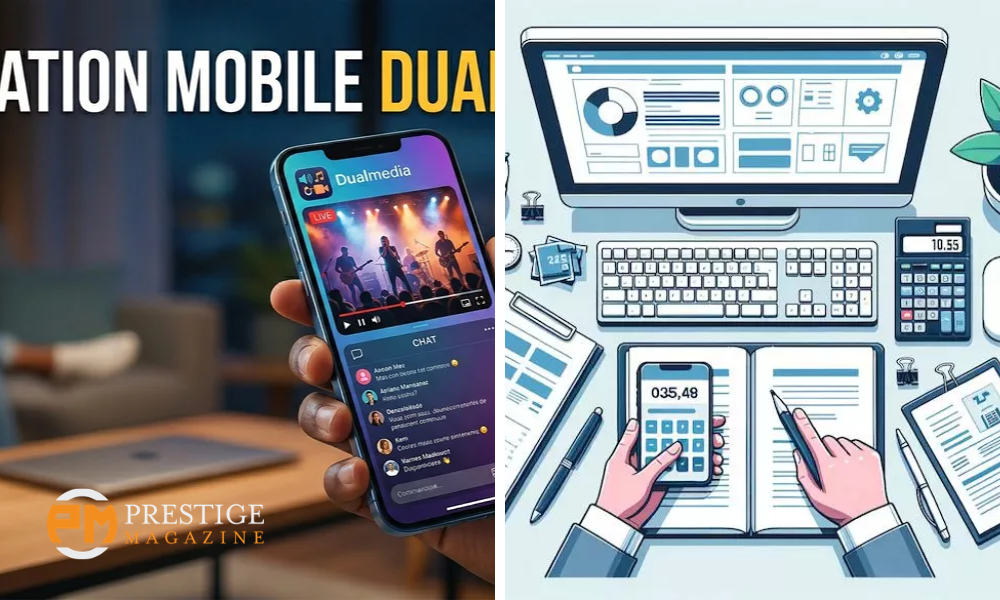
application mobile dualmedia is a search term used for a modern mobile app concept where users can interact with more than one media format inside the same application. In simple words, it can mean an app that combines video, audio, images, text, live chat, interactive tools, or learning content in one place. Online sources also show that the phrase is sometimes linked with DualMedia, a Paris-based web and mobile application agency that says it has worked in mobile app development, website design, and SEO since 2000.
| Quick Info | Details |
|---|---|
| Focus Keyword | application mobile dualmedia |
| Main Meaning | A mobile app using two or more media formats |
| Common Media Types | Video, audio, text, images, live chat, interactive tools |
| Business Use | Education, healthcare, e-commerce, entertainment, news, training |
| User Benefit | One app experience instead of switching between many tools |
| Developer Focus | UX design, performance, security, media delivery, analytics |
| Related Agency Meaning | DualMedia is also a mobile/web agency name |
| Best Platforms | iOS, Android, and cross-platform frameworks |
| Main Challenge | Speed, storage, bandwidth, privacy, and smooth playback |
| Future Trend | AI-powered, personalized, interactive mobile experiences |
Understanding Application Mobile DualMedia
The phrase application mobile dualmedia can look confusing at first because it is not always used in one single way. In most tech articles, it describes a mobile app that combines more than one type of media. For example, a learning app may let users watch a video lesson, listen to an audio summary, read notes, take a quiz, and chat with a tutor without leaving the app.
This is different from older mobile apps that focused on only one task. A traditional video app plays videos. A podcast app plays audio. A blog app shows text. A dualmedia-style mobile app combines these experiences so users can move between formats more naturally.
That is why the concept matters. Modern users do not want slow, separate, disconnected tools. They want mobile experiences that feel smooth, fast, and complete.
Why the Term Has More Than One Meaning
The term application mobile dualmedia appears online in a few different contexts. Some articles use it to mean apps that support dual media, such as audio and video together. Other sources describe it as a broader app-development idea involving rich media, interactive content, and multi-format engagement.
There is also another meaning. DualMedia is the name of a web and mobile agency in Paris. Its official website describes DualMedia as a Paris web agency established in 2000, with services in iPhone app development, Android app development, website creation, SEO, business applications, and mobile digital publishing.
Because of this, users searching for application mobile dualmedia may be looking for either a type of app or an agency connected with mobile app development. This article explains both meanings clearly.
What Makes a Mobile App “DualMedia”?
A mobile app becomes dualmedia when it does not depend on only one content format. Instead, it allows users to consume, create, or interact with different media types inside the same app.
For example, a fitness app may show workout videos, play audio coaching, display text instructions, track progress, and send notifications. A news app may offer written articles, short videos, podcasts, infographics, and live updates. A school app may include video classes, downloadable notes, audio explanations, quizzes, and student messaging.
The goal is not simply to add more content. The goal is to make different media formats work together in a useful way.
Why Application Mobile DualMedia Is Becoming Popular
Mobile users now expect richer digital experiences. They do not want apps that feel flat or limited. They want video when a topic is visual, audio when they are busy, text when they need details, and interactive features when they want to take action.
This is one reason dualmedia apps are growing in importance. They match real user behavior. People may watch a video while sitting at home, switch to audio while traveling, save text notes for later, and use interactive tools when making a decision.
Recent online guides describe dualmedia mobile apps as tools that combine video, audio, images, and text in one environment to improve engagement and reduce the need for separate apps.
Key Features of an Application Mobile DualMedia
A strong application mobile dualmedia usually includes a media player, content library, user profile, notifications, search, analytics, and offline access. The media player should support smooth video and audio playback. The content library should be easy to browse. The user profile should remember preferences, progress, saved content, and history.
Interactive features are also important. A dualmedia app may include comments, quizzes, forms, live chat, polls, booking tools, or shopping buttons. These features turn passive content into active engagement.
The best apps also include personalization. For example, the app may recommend videos, audio lessons, or articles based on what the user has already watched, listened to, or saved.
How Businesses Use DualMedia Mobile Apps
Businesses use dualmedia apps because they help keep users engaged longer. A company that only publishes text may lose users who prefer video. A company that only publishes video may lose users who want quick summaries. A dualmedia app solves this by offering multiple formats.
E-commerce brands can use dualmedia apps to show product videos, image galleries, customer reviews, voice search, live support, and checkout in one place. Education companies can combine lessons, notes, quizzes, and progress tracking. Healthcare providers can use video guidance, appointment booking, health reminders, and secure messaging.
For businesses, the value is simple: one app can serve many user needs.
Application Mobile DualMedia in Education
Education is one of the strongest areas for dualmedia apps. Students do not all learn the same way. Some prefer watching lessons. Some prefer listening. Others need written notes, diagrams, or practice tests.
A dualmedia education app can support all these learning styles. It can offer video lectures, audio summaries, downloadable PDFs, flashcards, quizzes, live sessions, and teacher feedback. This makes learning more flexible.
It is especially useful for mobile-first learners. A student may watch a lesson at home, listen to the same lesson while traveling, and later review written notes before an exam.
Application Mobile DualMedia in Healthcare
Healthcare apps can also benefit from dualmedia features. A patient may need video instructions for exercises, audio reminders for medicine, written information about symptoms, and a secure chat feature for follow-up questions.
This type of app can make health information easier to understand. Instead of giving users long medical text only, the app can present information in the format that works best for them.
However, healthcare apps must be built carefully. They need strong privacy protection, secure data handling, clear disclaimers, and reliable medical review. A dualmedia healthcare app should never sacrifice accuracy for entertainment.
Application Mobile DualMedia in Entertainment
Entertainment apps are natural examples of dualmedia design. Streaming platforms, music apps, fan communities, short-video apps, and gaming companion apps all use multiple media formats.
A modern entertainment app may include video clips, behind-the-scenes audio, text updates, livestreams, comments, polls, fan badges, and personalized recommendations. The user is not just watching content. They are participating in a complete media environment.
This is why entertainment companies often invest heavily in mobile experience. The more formats an app supports, the more reasons users have to return.
Application Mobile DualMedia in News and Publishing
News and publishing apps also use dualmedia features. A news story can appear as a written article, short video, podcast episode, photo gallery, timeline, or live blog. Different users prefer different formats depending on their time and attention.
Dualmedia publishing is especially useful for mobile users. Someone may read headlines in the morning, listen to an audio briefing while commuting, and watch a video explainer at night.
DualMedia’s own official site also mentions “Mobile Digital Publishing” as one of its mobile-related solutions, describing it as a publishing solution for tablets and smartphones.
The Role of UX Design
User experience is one of the most important parts of any application mobile dualmedia. Adding video, audio, text, and interactive tools is not enough. If the app feels messy, users will leave.
The design must make it easy to switch between formats. Buttons should be clear. Menus should be simple. Media controls should be smooth. Users should understand where they are and what they can do next.
A good dualmedia app feels natural. A bad one feels overloaded. The goal is balance, not clutter.
Technical Challenges Behind DualMedia Apps
Dualmedia apps are more complex than simple apps. They need strong backend systems, fast loading, media compression, storage planning, security, and stable performance across devices.
Video and audio files can be heavy. If they are not optimized, the app may become slow. Users may experience buffering, crashes, or high data usage. Developers must think carefully about content delivery networks, caching, adaptive streaming, and offline downloads.
Security is also important. If the app stores user data, payment details, private messages, or health information, it must protect that data properly.
Native or Cross-Platform Development?
A business building an application mobile dualmedia must decide whether to build native apps or cross-platform apps. Native apps are built separately for iOS and Android. They can offer strong performance and deep device integration, but they may cost more.
Cross-platform apps use frameworks that allow one codebase to serve both iOS and Android. This can reduce cost and development time, but performance still depends on the quality of the build.
DualMedia’s official site describes mobile application development for iPhone and Android, including native iPhone development and Android application development.
How Much Does an Application Mobile DualMedia Cost?
The cost of a dualmedia mobile app depends on complexity. A simple app with text, images, and basic audio playback may cost far less than a full platform with video streaming, accounts, payments, analytics, chat, AI recommendations, and admin dashboards.
Important cost factors include design quality, number of screens, media storage, user accounts, backend development, security, platform choice, third-party integrations, and post-launch maintenance.
Businesses should not only ask, “How much does the app cost?” They should also ask, “How much will it cost to keep the app fast, secure, updated, and useful after launch?”
How to Choose an Agency for Application Mobile DualMedia
Choosing the right development partner is important. A good agency should understand mobile development, UX design, backend systems, media delivery, security, analytics, and launch strategy.
The agency should also explain its process clearly. You should know how it handles planning, wireframes, design, development, testing, app store submission, updates, and maintenance.
DualMedia’s official website presents the agency as experienced in mobile app development, web development, SEO, business applications, and mobile publishing, with claimed figures including more than 20 years of web and mobile experience and more than 200 completed projects.
Common Mistakes to Avoid
One common mistake is adding too many features too early. A dualmedia app should start with a clear purpose. If users mainly need video lessons and audio summaries, build those well first before adding chat, shopping, livestreams, and advanced AI.
Another mistake is ignoring performance. A beautiful app is useless if videos load slowly or the app crashes. Testing on different devices and internet speeds is essential.
A third mistake is poor content strategy. A dualmedia app needs regular content updates. If the content becomes old, users will stop opening the app.
Security and Privacy in DualMedia Apps
Security matters in every mobile app, but it becomes even more important when the app includes accounts, payments, messages, or personal recommendations. Developers should use secure login, encrypted connections, safe storage, and proper permission controls.
Privacy should also be clear. Users should know what data is collected, why it is collected, and how it is used. This is especially important if the app tracks behavior, viewing history, learning progress, or health-related information.
A trustworthy app should not hide its data practices.
The Future of Application Mobile DualMedia
The future of application mobile dualmedia will likely include more AI, personalization, voice interaction, smart recommendations, and immersive features. Users will expect apps to understand what format they prefer at different times.
For example, an app may learn that a user watches videos at night, listens to audio in the morning, and reads short text summaries during work breaks. The app can then adjust the experience automatically.
This kind of personalization can make apps more useful, but it also increases the need for responsible data handling.
Final Thoughts on Application Mobile DualMedia
application mobile dualmedia is best understood as a modern mobile app approach that combines multiple media formats into one user-friendly experience. It can include video, audio, text, images, interactive tools, chat, quizzes, live features, and personalized recommendations.
The term can also refer to DualMedia as a mobile and web agency name, especially in searches related to Paris-based app development. Because of this, the keyword has both a concept meaning and an agency-related meaning.
For businesses, the main lesson is simple. A successful dualmedia mobile app is not just an app with more content. It is an app where every media format has a clear purpose, the user journey feels smooth, and the technology supports real engagement.
FAQs About Application Mobile DualMedia
What is application mobile dualmedia?
Application mobile dualmedia means a mobile app that combines two or more media formats, such as video, audio, text, images, and interactive tools, inside one app experience.
Is application mobile dualmedia one specific app?
Not always. In most cases, it is a concept or keyword for dual-media mobile apps. It can also be connected to DualMedia, a web and mobile app agency name.
What does DualMedia mean in mobile development?
In mobile development, DualMedia usually refers to combining multiple media formats in one app. It may also refer to DualMedia, a Paris-based agency that offers mobile application development services.
Which businesses need dualmedia mobile apps?
Education, healthcare, e-commerce, entertainment, publishing, training, fitness, and customer-support businesses can benefit from dualmedia apps.
What features should a dualmedia app include?
It may include video, audio, text, images, search, user profiles, notifications, offline access, chat, quizzes, analytics, and personalized recommendations.
Is a dualmedia app expensive to build?
It depends on complexity. A simple media app may be affordable, while a full platform with streaming, accounts, payments, AI, and analytics can cost much more.
Can application mobile dualmedia work offline?
Yes, some dualmedia apps can work offline if they allow users to download videos, audio, documents, or lessons for later access.
Is dualmedia useful for education?
Yes. It helps students learn through video, audio, written notes, quizzes, and interactive tools in one mobile app.
What is the biggest challenge in dualmedia app development?
The biggest challenge is balancing rich media with fast performance, strong security, simple design, and reliable content delivery.
How should I start building an application mobile dualmedia?
Start with a clear goal, define your audience, choose the most important media formats, plan the user journey, create a simple first version, test performance, and improve the app after launch.
Visit for more info: prestigemagazine.co.uk

BLOG
TheJavaSea.me Leaks AIO-TLP371: What It Means, Why People Search It, and How to Stay Safe Online


The phrase thejavasea.me leaks aio-tlp371 has started appearing in online searches, forums, and cybersecurity-related discussions, mainly because users want to understand whether it refers to a real leak, a risky file package, or another example of online data exposure. In simple terms, it appears to be connected with alleged leaked digital material, which makes it important to understand the wider issue of a data breach, privacy risk, and safe online behavior without trying to access or share any unauthorized content.
Quick Overview Table
| Topic | Details |
|---|---|
| Focus Keyword | thejavasea.me leaks aio-tlp371 |
| Main Category | Cybersecurity, online privacy, data leaks |
| Main Concern | Possible exposure of private or unauthorized digital content |
| User Risk | Malware, phishing, identity theft, privacy violation |
| Safe Approach | Do not download leaked files; secure accounts and monitor data |
| Best For Readers | People searching the term and wanting a clear explanation |
What Is TheJavaSea.me Leaks AIO-TLP371?
TheJavaSea.me leaks AIO-TLP371 is a search phrase that appears to refer to an alleged “all-in-one” leaked package connected with a website or online leak forum. The term “AIO” commonly means “all-in-one,” while “TLP371” seems to work like a label, version number, or archive identifier.
However, it is important to be careful. Search terms like this often become popular because people are curious about leaked files, private content, or restricted data. That curiosity can lead users toward unsafe websites, malware downloads, phishing traps, or illegal material. Instead of treating the phrase as something to access, it should be understood as a warning sign about digital privacy and online safety.
Why Is thejavasea.me leaks aio-tlp371 Getting Attention?
The keyword is getting attention because leak-related searches usually spread fast. People often search them for several reasons: they want to know what the label means, whether their information is involved, whether the file is safe, or whether the website is legitimate.
In many cases, these searches grow because of social media posts, forum mentions, reposted screenshots, and search engine curiosity. A phrase can become popular even when verified information is limited. That is why readers should avoid assuming that every claim connected with thejavasea.me leaks aio-tlp371 is accurate.
The bigger issue is not curiosity. The bigger issue is risk. Any website or file package claiming to contain leaked content can expose visitors to harmful downloads, fake login pages, browser redirects, adult-content traps, or stolen-data marketplaces.
Is TheJavaSea.me Leaks AIO-TLP371 Safe?
No leaked-data topic should be treated as safe. Even if a file is described as an “archive,” “database,” “pack,” or “AIO,” it can still be dangerous. Cybercriminals often use trending leak names to attract clicks. Once a user lands on the wrong page, they may be pushed to download unknown files, disable security settings, join suspicious Telegram groups, or enter personal information.
The safest rule is simple: do not download, open, buy, request, or share any alleged leak connected with thejavasea.me leaks aio-tlp371. Even viewing or sharing private leaked material can create legal, ethical, and security problems.
Main Risks Linked With Leak-Based Searches
1. Malware and Hidden Files
Leak packages often come in compressed folders, executables, or file-sharing links. These files may contain malware, spyware, ransomware, or browser hijackers. A user may think they are opening a normal archive, but the file can silently infect the device.
2. Phishing Pages
Some pages use leaked-content keywords to trick people into signing in with Google, Facebook, Telegram, Discord, or email accounts. Once login details are entered, attackers can steal the account.
3. Identity Theft
If leaked data includes emails, passwords, phone numbers, addresses, or personal photos, criminals may use that information for scams, blackmail, or account takeover attempts.
4. Legal and Ethical Trouble
Accessing or sharing unauthorized private content is not harmless. It may violate privacy laws, platform rules, and basic consent. If the content involves private individuals, it can seriously harm real people.
5. Fake “Verification” Traps
Many suspicious sites ask users to complete surveys, install apps, or pay a fee before unlocking files. These are often scams. The promised files may not exist at all.
What Should You Do If You Searched This Term?
If you only searched thejavasea.me leaks aio-tlp371, you do not need to panic. Searching a term is not the same as downloading or sharing unsafe material. However, you should be careful from that point onward.
Do not click unknown download links. Do not enter your email or password on suspicious pages. Do not install browser extensions or APK files from leak-related websites. If you already downloaded something, delete it, scan your device, and change passwords for important accounts.
What If Your Data May Be Exposed?
If you believe your email, password, images, or private information may be part of any leak, take action quickly. Change your passwords, especially for email, banking, social media, and cloud storage accounts. Use unique passwords for every platform. Turn on multi-factor authentication wherever possible.
Also check your email accounts for suspicious login alerts. If your email account is compromised, attackers can reset passwords for many other services. That is why your email security should be your first priority.
How to Protect Yourself From Similar Leak Scams
Use Strong, Unique Passwords
Never reuse the same password across websites. If one site gets breached, attackers may try the same password on your email, social media, shopping, and banking accounts.
Enable Multi-Factor Authentication
Multi-factor authentication adds another layer of protection. Even if someone gets your password, they may not be able to access your account without the second verification step.
Avoid Unknown Download Links
Do not download “AIO packs,” leaked archives, cracked tools, or suspicious zip files. Many of these are designed to infect devices.
Keep Your Device Updated
Update your operating system, browser, antivirus, and apps. Security updates fix weaknesses that attackers may use.
Be Careful With Telegram and File-Sharing Groups
Leak-related groups often spread unsafe links. Some groups also use bots to collect user data or push malware.
Why Curiosity Can Be Dangerous Online
Many people do not visit leak-related pages with bad intentions. Sometimes they are just curious. But cybercriminals rely on curiosity. They use trending names, mysterious file labels, and viral keywords to attract users.
The phrase thejavasea.me leaks aio-tlp371 may look like a simple search term, but the websites around such keywords can be risky. A single careless click can lead to a fake login page, malware download, or privacy issue.
Is AIO-TLP371 a Confirmed Data Breach?
Public information about the exact label AIO-TLP371 is limited and not always reliable. Some websites describe it as a data package, while others use similar wording for traffic and SEO purposes. Because of that, it is better to avoid making strong claims unless verified by trusted cybersecurity researchers or official breach notices.
What is clear is that the topic belongs to the wider world of leaked data, unauthorized content, and risky file-sharing environments. That alone is enough reason for users to act carefully.
What Website Owners Can Learn From This
Website owners should take leak-related trends seriously. Even if their own site is not involved, users are becoming more aware of privacy risks. Businesses should protect customer data, use secure hosting, update plugins, limit admin access, and monitor suspicious activity.
For WordPress website owners, this means using strong admin passwords, enabling two-factor authentication, avoiding nulled themes, keeping plugins updated, and taking regular backups.
What Parents and Young Users Should Know
Young users are often more likely to click viral leak-related terms because they see them on social media or forums. Parents and guardians should explain that leaked content is not entertainment. It can involve real victims, privacy abuse, scams, and malware.
The best lesson is simple: if a site promises private leaked files, stay away from it.
Final Thoughts
The phrase thejavasea.me leaks aio-tlp371 may attract attention because it sounds mysterious, but users should treat it as a cybersecurity and privacy warning, not as something to explore. Leak-related websites and file packages can expose people to malware, scams, identity theft, and legal problems.
The safest response is to avoid accessing leaked material, protect your accounts, use multi-factor authentication, and stay away from suspicious download links. Online safety starts with understanding that not every trending search term is worth clicking.
FAQs About thejavasea.me leaks aio-tlp371
What does thejavasea.me leaks aio-tlp371 mean?
It appears to refer to an alleged leaked file package or online leak label connected with TheJavaSea.me. The exact details are not fully verified, so users should treat it carefully.
Is thejavasea.me leaks aio-tlp371 safe to download?
No. Any alleged leaked file package can contain malware, phishing links, or unauthorized private content. It is safer not to download or open such files.
Can leaked files harm my device?
Yes. Leaked archives can include hidden malware, spyware, ransomware, or scripts that compromise your device.
What should I do if I opened a suspicious leak link?
Close the page, clear your browser history, scan your device, change important passwords, and enable multi-factor authentication.
Is it legal to share leaked content?
Sharing unauthorized private content can create legal and ethical problems. It can also harm real people whose data or media may have been exposed.
How can I protect my accounts after a possible leak?
Use unique passwords, enable multi-factor authentication, update your software, and watch for suspicious login alerts.
Visit for more info: prestigemagazine.co.uk


Noelle Inguagiato: Inside the Private Life of Jesse Watters’ Ex-Wife and Former Fox Fashion Host

Frankie Elle Rodriguez: The Private Life and Family Story of Adam Rodriguez’s Eldest Daughter

Danielle Vangar: The Private Woman Known for Her Marriage to Carmine Agnello

Who Is Jamie Hartwright? The Private Daughter of Judge Judy Who Chose Family Over Fame

Who Is Brandy Quaid? The Private Name Linked to the Famous Quaid Family

Who Is Dr. Doug Weiss? CelebrityDr. Doug Weiss Net Worth, Career, Marriage, and Public Life
-
 CELEBRITY5 months ago
Who Is Jamie Hartwright? The Private Daughter of Judge Judy Who Chose Family Over Fame
-
 CELEBRITY5 months ago
Who Is Brandy Quaid? The Private Name Linked to the Famous Quaid Family
-
 CELEBRITY5 months ago
Who Is Dr. Doug Weiss? CelebrityDr. Doug Weiss Net Worth, Career, Marriage, and Public Life
-

 CELEBRITY5 months ago
Who Is Mary Ryan Ravenel? The Private Woman Behind Thomas Ravenel’s First Marriage
-

 CELEBRITY4 months ago
Who Is Ashen Josan Page? The Private Son of Led Zeppelin Legend Jimmy Page
-

 CELEBRITY4 months ago
Who Is Elias Gene D’Onofrio? The Private Son of Vincent D’Onofrio
-

 CELEBRITY4 months ago
Who Is Andrew Shingange? The Private Brother Behind Trevor Noah’s Powerful Family Story
-

 CELEBRITY5 months ago
Who Is Katherine Clark Scarborough? The Private Daughter of Joe Scarborough