
BLOG
What Is bi4 dolphin incident? The Viral Search Term People Keep Confusing Online

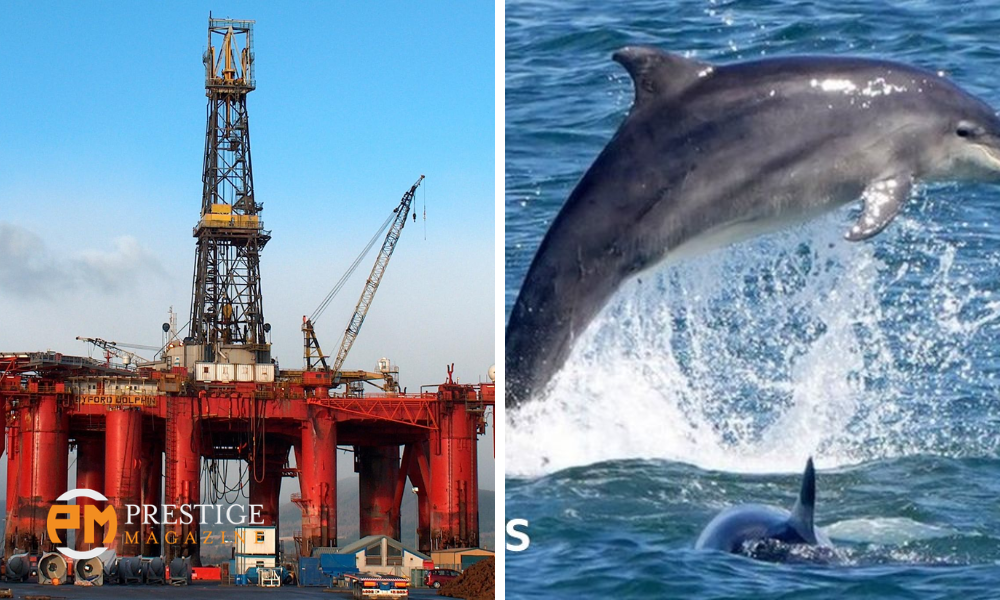
bi4 dolphin incident is a confusing online search phrase that does not appear to refer to one clearly verified news event. The strongest public match is a YouTube music upload titled “NIGHTMARE FUEL X BL00D-SUN-CHEMICAL TYPE BEAT – ‘BI4 DOLPHIN INCIDENT’”, while many search results also confuse the phrase with the Byford Dolphin accident, a real 1983 offshore drilling-rig decompression disaster. Because the phrase is unclear, readers should be careful: “bi4 dolphin incident” may be a viral title, a typo, a remix-style internet phrase, or a mistaken version of “Byford Dolphin incident.”
| Quick Info | Details |
|---|---|
| Focus Keyword | bi4 dolphin incident |
| Verified Meaning | No single confirmed mainstream incident under this exact phrase |
| Strongest Exact Match | A YouTube beat titled “BI4 DOLPHIN INCIDENT” |
| Common Confusion | Byford Dolphin incident |
| Real Historical Event? | The Byford Dolphin accident was real; “bi4 dolphin incident” itself is unclear |
| Topic Type | Viral search phrase / possible typo / internet music title |
| Main Risk | Misinformation and copied low-quality articles |
| Best Reader Approach | Check sources before believing dramatic claims |
| Related Real Incident | 1983 Byford Dolphin decompression accident |
| Article Purpose | Explain the confusion clearly and responsibly |
Why People Search for bi4 dolphin incident
People search for bi4 dolphin incident because the phrase sounds like it refers to a mysterious accident, shocking event, or viral internet story. However, when the exact phrase is checked, there is no strong evidence of a major verified news incident called “bi4 dolphin incident.”
Instead, the phrase appears in mixed search results. One result points to a YouTube music upload using the title “BI4 DOLPHIN INCIDENT.” Other results appear to be low-quality pages using the phrase for traffic. Search results also bring up the Byford Dolphin incident, which is a real historical disaster but has a different name.
This is why the keyword is confusing. It looks like a serious incident, but the exact phrase may not refer to a real documented event.
Is bi4 dolphin incident a Real News Event?
Based on available public search results, bi4 dolphin incident does not appear to be a clearly verified mainstream news event. There are no strong reports from major newspapers, official agencies, marine organizations, or court records using this exact phrase as the name of an incident.
The exact phrase is most strongly connected to a YouTube title. That does not mean the phrase is meaningless, but it does mean readers should not assume it describes a real tragedy, animal attack, marine accident, or criminal case.
Online phrases can become searchable even when they begin as music titles, memes, usernames, video captions, or automated SEO pages. bi4 dolphin incident appears to fit that kind of pattern.
The YouTube Connection
The clearest exact match for the phrase is a YouTube upload titled “NIGHTMARE FUEL X BL00D-SUN-CHEMICAL TYPE BEAT – ‘BI4 DOLPHIN INCIDENT.’” Search results show that this video was uploaded by a channel connected to unusualcore-style music content and had thousands of views.
This suggests that BI4 DOLPHIN INCIDENT may have started as an aesthetic or music-title phrase rather than a factual incident report. Many underground music creators use strange, unsettling, or cryptic titles to create a mood. Words like “incident,” “nightmare,” “chemical,” or “dolphin” may be used for atmosphere rather than literal meaning.
Because of that, people who see the phrase may search it thinking there is a real backstory. But the available evidence does not clearly show a confirmed incident behind the title.
Why It Gets Confused With the Byford Dolphin Incident
The phrase bi4 dolphin incident may also be confused with the Byford Dolphin incident. The Byford Dolphin was a semi-submersible drilling rig, and it was the site of a serious explosive decompression accident in the North Sea in 1983. Public records describe it as one of the most severe commercial diving accidents in history.
The confusion is easy to understand. “bi4” looks strange and may be mistyped, misread, or auto-generated. “Dolphin incident” is also close enough to “Byford Dolphin incident” that search engines may connect the two.
So, when people search bi4 dolphin incident, they may actually be looking for the Byford Dolphin accident. But the two phrases should not be treated as exactly the same unless the context clearly points to the 1983 disaster.
What Happened in the Real Byford Dolphin Incident?
The real Byford Dolphin accident happened on November 5, 1983, on the Norwegian sector of the North Sea. The accident involved a diving chamber system connected to a diving bell. Four divers inside the system were suddenly decompressed from high pressure to normal atmospheric pressure, and one dive tender was also killed.
Medical literature describes the event as an explosive decompression accident. A PubMed-indexed abstract states that four divers in a compression chamber system were suddenly decompressed from 9 atmospheres to 1 atmosphere.
This was a real industrial disaster, not an internet rumor. However, it is properly called the Byford Dolphin accident or Byford Dolphin decompression accident, not “bi4 dolphin incident.”
Why the Byford Dolphin Accident Became Infamous
The Byford Dolphin accident became infamous because of the extreme nature of saturation diving and decompression risk. Saturation divers work under high pressure for deep-sea operations. If pressure is released too quickly, the results can be catastrophic.
The accident also raised questions about safety systems, procedures, equipment design, and responsibility. Public summaries note that the rig later became associated with several serious incidents, with the 1983 decompression disaster being the most notable.
Because the details are disturbing, the accident is often discussed in online videos, forums, and “worst accident” lists. This has made the phrase “Dolphin incident” more searchable, which may contribute to confusion around bi4 dolphin incident.
Why You Should Be Careful With Viral Incident Keywords
Viral incident keywords can be misleading. A phrase may sound like a real event even when it is only a title, meme, typo, or search-engine accident. This happens often with strange keywords that spread through YouTube, TikTok, Instagram captions, Reddit posts, or low-quality automated websites.
The phrase bi4 dolphin incident is a good example. It sounds serious, but the exact phrase does not clearly lead to a verified incident. Instead, it leads to a mix of music content, spam-like pages, animal information, and the unrelated but real Byford Dolphin tragedy.
Before believing any dramatic claim, readers should check whether the story appears in reliable sources. If only copied blogs or vague pages mention it, the claim may not be trustworthy.
Is bi4 dolphin incident About an Animal?
There is no strong evidence that bi4 dolphin incident refers to a verified animal incident involving a dolphin. Search results for the phrase include general dolphin pages and animal information, but those do not confirm a specific event.
Dolphins are highly intelligent marine mammals and are often discussed in relation to captivity, conservation, bycatch, strandings, and marine accidents. General dolphin facts from sources such as Britannica or animal organizations are real, but they do not prove that “bi4 dolphin incident” is an animal-related case.
So, unless a reliable source directly connects the phrase to an animal event, it should not be described as a confirmed dolphin attack, rescue, death, or marine case.
Is bi4 dolphin incident About a Flight?
Another possible confusion is the term BI4, which can appear as a flight code. Search results show BI4/RBA4 connected to Royal Brunei flight tracking.
However, that does not appear to connect meaningfully with “dolphin incident.” This shows how search engines can mix unrelated results when a phrase is unusual. “BI4” may point to aviation, “dolphin” may point to animals or the Byford Dolphin rig, and “incident” may make the whole phrase sound like breaking news.
At the moment, there is no strong evidence that bi4 dolphin incident refers to an airline event involving flight BI4.
Why Low-Quality Pages Appear for This Keyword
Some search results for bi4 dolphin incident appear to be low-quality pages using phrases like “what happened” or “expert guide.” These pages may be created to capture traffic from trending or unusual searches.
This is common in SEO spam. When a strange keyword begins getting searches, low-quality sites may publish pages quickly, even if they have no real information. They may use vague wording, repeated phrases, and dramatic titles to make readers click.
Readers should be cautious with these pages. If a page does not cite credible sources, does not explain where the information came from, or uses generic filler text, it should not be trusted.
The Role of YouTube Titles in Creating Search Confusion
YouTube titles can create search confusion because creators often use dramatic phrases for mood. A title like BI4 DOLPHIN INCIDENT may be meant to sound mysterious, scary, or experimental. It does not automatically mean the creator is referring to a real-world case.
Music genres connected with dark electronic sounds, horror beats, internet-core aesthetics, or underground edits often use cryptic naming. The title becomes part of the style. Viewers may then search the phrase, trying to decode it.
That may be what happened here. The phrase may have become searchable because it sounded like there was a hidden story behind it.
What Readers Probably Mean by bi4 dolphin incident
Readers searching bi4 dolphin incident may mean one of three things.
First, they may be looking for the YouTube beat or music title called BI4 DOLPHIN INCIDENT.
Second, they may have mistyped or misremembered the Byford Dolphin incident, the real 1983 decompression disaster.
Third, they may have seen the phrase on social media, in comments, or on a low-quality article and are trying to understand whether it is real.
All three possibilities are reasonable. But they should not be mixed together as if they are the same story.
How to Tell If an Incident Keyword Is Real
To tell whether an incident keyword is real, check for reliable sources. A real major incident usually appears in official reports, news archives, academic papers, court records, or reputable media coverage.
For example, the Byford Dolphin accident appears in medical literature, public summaries, and historical records. That makes it verifiable.
By contrast, bi4 dolphin incident does not appear to have the same level of support. It appears mostly as a strange title or search phrase. That means it should be described as unclear rather than confirmed.
Why This Keyword Should Not Be Sensationalized
It would be easy to turn bi4 dolphin incident into a dramatic mystery article. But that would be misleading. When a keyword is unclear, the honest approach is to say so.
Sensational writing can spread misinformation. It can also confuse readers who are trying to understand whether a real tragedy happened. In this case, there is a real tragedy with a similar name, the Byford Dolphin accident, but there is no clear verified event called bi4 dolphin incident.
Responsible writing should explain the difference clearly.
Final Thoughts on bi4 dolphin incident
bi4 dolphin incident is best understood as a confusing viral search phrase rather than a clearly confirmed incident. The strongest exact match is a YouTube music title using the phrase BI4 DOLPHIN INCIDENT, while many search results also point toward the real Byford Dolphin decompression accident.
The most important point is accuracy. If someone is looking for the real 1983 disaster, they should search for Byford Dolphin incident. If they are looking for the music title, then BI4 DOLPHIN INCIDENT likely refers to the YouTube upload.
Until stronger reliable sources confirm another meaning, bi4 dolphin incident should not be treated as a verified news event, animal case, flight accident, or hidden tragedy. It is a search phrase surrounded by confusion, and the safest answer is to separate the verified facts from the internet noise.
FAQs About bi4 dolphin incident
What is bi4 dolphin incident?
bi4 dolphin incident is a confusing search phrase. It does not appear to refer to one clearly verified mainstream incident.
Is bi4 dolphin incident real?
There is no strong evidence of a verified event with the exact name bi4 dolphin incident. The phrase is most clearly linked to a YouTube music title and possible confusion with the Byford Dolphin accident.
Is bi4 dolphin incident the same as Byford Dolphin incident?
Not exactly. The Byford Dolphin incident was a real 1983 offshore drilling-rig decompression accident. bi4 dolphin incident may be a mistaken or confused version of that name.
What happened in the Byford Dolphin incident?
In 1983, a sudden decompression accident occurred on the Byford Dolphin rig in the North Sea, killing four divers and one dive tender.
Is bi4 dolphin incident about a dolphin animal?
There is no strong evidence that the phrase refers to a real animal-related dolphin incident.
Is BI4 a flight number?
BI4 can appear as a flight code in flight-tracking results, but there is no strong evidence connecting it to a “dolphin incident.”
Why does YouTube appear for bi4 dolphin incident?
A YouTube result appears because there is a music upload titled “BI4 DOLPHIN INCIDENT.”
Why are there spam pages about this phrase?
Unusual keywords often attract low-quality SEO pages that try to capture search traffic without providing verified information.
Should I trust articles about bi4 dolphin incident?
Only trust articles that clearly explain sources and separate verified facts from speculation.
What should I search if I want the real historical accident?
Search for Byford Dolphin incident or Byford Dolphin decompression accident.
Visit for more info: prestigemagazine.co.uk

BLOG
TheJavaSea.me Leaks AIO-TLP371: What It Means, Why People Search It, and How to Stay Safe Online


The phrase thejavasea.me leaks aio-tlp371 has started appearing in online searches, forums, and cybersecurity-related discussions, mainly because users want to understand whether it refers to a real leak, a risky file package, or another example of online data exposure. In simple terms, it appears to be connected with alleged leaked digital material, which makes it important to understand the wider issue of a data breach, privacy risk, and safe online behavior without trying to access or share any unauthorized content.
Quick Overview Table
| Topic | Details |
|---|---|
| Focus Keyword | thejavasea.me leaks aio-tlp371 |
| Main Category | Cybersecurity, online privacy, data leaks |
| Main Concern | Possible exposure of private or unauthorized digital content |
| User Risk | Malware, phishing, identity theft, privacy violation |
| Safe Approach | Do not download leaked files; secure accounts and monitor data |
| Best For Readers | People searching the term and wanting a clear explanation |
What Is TheJavaSea.me Leaks AIO-TLP371?
TheJavaSea.me leaks AIO-TLP371 is a search phrase that appears to refer to an alleged “all-in-one” leaked package connected with a website or online leak forum. The term “AIO” commonly means “all-in-one,” while “TLP371” seems to work like a label, version number, or archive identifier.
However, it is important to be careful. Search terms like this often become popular because people are curious about leaked files, private content, or restricted data. That curiosity can lead users toward unsafe websites, malware downloads, phishing traps, or illegal material. Instead of treating the phrase as something to access, it should be understood as a warning sign about digital privacy and online safety.
Why Is thejavasea.me leaks aio-tlp371 Getting Attention?
The keyword is getting attention because leak-related searches usually spread fast. People often search them for several reasons: they want to know what the label means, whether their information is involved, whether the file is safe, or whether the website is legitimate.
In many cases, these searches grow because of social media posts, forum mentions, reposted screenshots, and search engine curiosity. A phrase can become popular even when verified information is limited. That is why readers should avoid assuming that every claim connected with thejavasea.me leaks aio-tlp371 is accurate.
The bigger issue is not curiosity. The bigger issue is risk. Any website or file package claiming to contain leaked content can expose visitors to harmful downloads, fake login pages, browser redirects, adult-content traps, or stolen-data marketplaces.
Is TheJavaSea.me Leaks AIO-TLP371 Safe?
No leaked-data topic should be treated as safe. Even if a file is described as an “archive,” “database,” “pack,” or “AIO,” it can still be dangerous. Cybercriminals often use trending leak names to attract clicks. Once a user lands on the wrong page, they may be pushed to download unknown files, disable security settings, join suspicious Telegram groups, or enter personal information.
The safest rule is simple: do not download, open, buy, request, or share any alleged leak connected with thejavasea.me leaks aio-tlp371. Even viewing or sharing private leaked material can create legal, ethical, and security problems.
Main Risks Linked With Leak-Based Searches
1. Malware and Hidden Files
Leak packages often come in compressed folders, executables, or file-sharing links. These files may contain malware, spyware, ransomware, or browser hijackers. A user may think they are opening a normal archive, but the file can silently infect the device.
2. Phishing Pages
Some pages use leaked-content keywords to trick people into signing in with Google, Facebook, Telegram, Discord, or email accounts. Once login details are entered, attackers can steal the account.
3. Identity Theft
If leaked data includes emails, passwords, phone numbers, addresses, or personal photos, criminals may use that information for scams, blackmail, or account takeover attempts.
4. Legal and Ethical Trouble
Accessing or sharing unauthorized private content is not harmless. It may violate privacy laws, platform rules, and basic consent. If the content involves private individuals, it can seriously harm real people.
5. Fake “Verification” Traps
Many suspicious sites ask users to complete surveys, install apps, or pay a fee before unlocking files. These are often scams. The promised files may not exist at all.
What Should You Do If You Searched This Term?
If you only searched thejavasea.me leaks aio-tlp371, you do not need to panic. Searching a term is not the same as downloading or sharing unsafe material. However, you should be careful from that point onward.
Do not click unknown download links. Do not enter your email or password on suspicious pages. Do not install browser extensions or APK files from leak-related websites. If you already downloaded something, delete it, scan your device, and change passwords for important accounts.
What If Your Data May Be Exposed?
If you believe your email, password, images, or private information may be part of any leak, take action quickly. Change your passwords, especially for email, banking, social media, and cloud storage accounts. Use unique passwords for every platform. Turn on multi-factor authentication wherever possible.
Also check your email accounts for suspicious login alerts. If your email account is compromised, attackers can reset passwords for many other services. That is why your email security should be your first priority.
How to Protect Yourself From Similar Leak Scams
Use Strong, Unique Passwords
Never reuse the same password across websites. If one site gets breached, attackers may try the same password on your email, social media, shopping, and banking accounts.
Enable Multi-Factor Authentication
Multi-factor authentication adds another layer of protection. Even if someone gets your password, they may not be able to access your account without the second verification step.
Avoid Unknown Download Links
Do not download “AIO packs,” leaked archives, cracked tools, or suspicious zip files. Many of these are designed to infect devices.
Keep Your Device Updated
Update your operating system, browser, antivirus, and apps. Security updates fix weaknesses that attackers may use.
Be Careful With Telegram and File-Sharing Groups
Leak-related groups often spread unsafe links. Some groups also use bots to collect user data or push malware.
Why Curiosity Can Be Dangerous Online
Many people do not visit leak-related pages with bad intentions. Sometimes they are just curious. But cybercriminals rely on curiosity. They use trending names, mysterious file labels, and viral keywords to attract users.
The phrase thejavasea.me leaks aio-tlp371 may look like a simple search term, but the websites around such keywords can be risky. A single careless click can lead to a fake login page, malware download, or privacy issue.
Is AIO-TLP371 a Confirmed Data Breach?
Public information about the exact label AIO-TLP371 is limited and not always reliable. Some websites describe it as a data package, while others use similar wording for traffic and SEO purposes. Because of that, it is better to avoid making strong claims unless verified by trusted cybersecurity researchers or official breach notices.
What is clear is that the topic belongs to the wider world of leaked data, unauthorized content, and risky file-sharing environments. That alone is enough reason for users to act carefully.
What Website Owners Can Learn From This
Website owners should take leak-related trends seriously. Even if their own site is not involved, users are becoming more aware of privacy risks. Businesses should protect customer data, use secure hosting, update plugins, limit admin access, and monitor suspicious activity.
For WordPress website owners, this means using strong admin passwords, enabling two-factor authentication, avoiding nulled themes, keeping plugins updated, and taking regular backups.
What Parents and Young Users Should Know
Young users are often more likely to click viral leak-related terms because they see them on social media or forums. Parents and guardians should explain that leaked content is not entertainment. It can involve real victims, privacy abuse, scams, and malware.
The best lesson is simple: if a site promises private leaked files, stay away from it.
Final Thoughts
The phrase thejavasea.me leaks aio-tlp371 may attract attention because it sounds mysterious, but users should treat it as a cybersecurity and privacy warning, not as something to explore. Leak-related websites and file packages can expose people to malware, scams, identity theft, and legal problems.
The safest response is to avoid accessing leaked material, protect your accounts, use multi-factor authentication, and stay away from suspicious download links. Online safety starts with understanding that not every trending search term is worth clicking.
FAQs About thejavasea.me leaks aio-tlp371
What does thejavasea.me leaks aio-tlp371 mean?
It appears to refer to an alleged leaked file package or online leak label connected with TheJavaSea.me. The exact details are not fully verified, so users should treat it carefully.
Is thejavasea.me leaks aio-tlp371 safe to download?
No. Any alleged leaked file package can contain malware, phishing links, or unauthorized private content. It is safer not to download or open such files.
Can leaked files harm my device?
Yes. Leaked archives can include hidden malware, spyware, ransomware, or scripts that compromise your device.
What should I do if I opened a suspicious leak link?
Close the page, clear your browser history, scan your device, change important passwords, and enable multi-factor authentication.
Is it legal to share leaked content?
Sharing unauthorized private content can create legal and ethical problems. It can also harm real people whose data or media may have been exposed.
How can I protect my accounts after a possible leak?
Use unique passwords, enable multi-factor authentication, update your software, and watch for suspicious login alerts.
Visit for more info: prestigemagazine.co.uk


Noelle Inguagiato: Inside the Private Life of Jesse Watters’ Ex-Wife and Former Fox Fashion Host

Frankie Elle Rodriguez: The Private Life and Family Story of Adam Rodriguez’s Eldest Daughter

Danielle Vangar: The Private Woman Known for Her Marriage to Carmine Agnello

Who Is Jamie Hartwright? The Private Daughter of Judge Judy Who Chose Family Over Fame

Who Is Brandy Quaid? The Private Name Linked to the Famous Quaid Family

Who Is Dr. Doug Weiss? CelebrityDr. Doug Weiss Net Worth, Career, Marriage, and Public Life
-
 CELEBRITY5 months ago
Who Is Jamie Hartwright? The Private Daughter of Judge Judy Who Chose Family Over Fame
-
 CELEBRITY5 months ago
Who Is Brandy Quaid? The Private Name Linked to the Famous Quaid Family
-
 CELEBRITY5 months ago
Who Is Dr. Doug Weiss? CelebrityDr. Doug Weiss Net Worth, Career, Marriage, and Public Life
-

 CELEBRITY5 months ago
Who Is Mary Ryan Ravenel? The Private Woman Behind Thomas Ravenel’s First Marriage
-

 CELEBRITY4 months ago
Who Is Ashen Josan Page? The Private Son of Led Zeppelin Legend Jimmy Page
-

 CELEBRITY4 months ago
Who Is Elias Gene D’Onofrio? The Private Son of Vincent D’Onofrio
-

 CELEBRITY4 months ago
Who Is Andrew Shingange? The Private Brother Behind Trevor Noah’s Powerful Family Story
-

 CELEBRITY5 months ago
Who Is Katherine Clark Scarborough? The Private Daughter of Joe Scarborough